

22 Apr Workshop Management System
Standardized Repair Execution Control
Ensure every repair
is completed safely
and consistently
Enforce structured repair workflows to eliminate missed steps and inconsistent servicing—ensuring every vehicle is inspected, repaired, and signed off with full accountability.
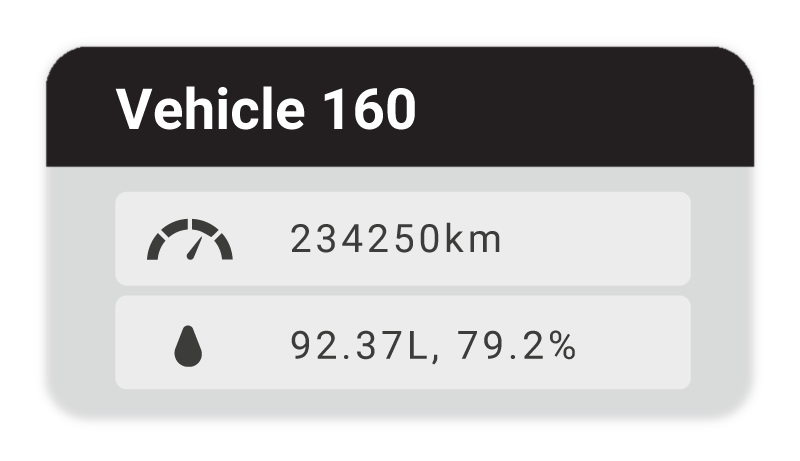
Digitized Service Workflows


Standardize every repair task with structured digital records.
Precision Condition Tracking
Capture critical health remarks during every service event.
Quality Assurance Logs
Maintain a tamper-proof history of all task-level entries.
Digital Workflow Control
Replace manual tracking
with structured, real-time
repair workflows
Digitize the entire repair lifecycle—so every job is created, assigned, tracked, and completed within a controlled system, reducing delays and manual coordination gaps.
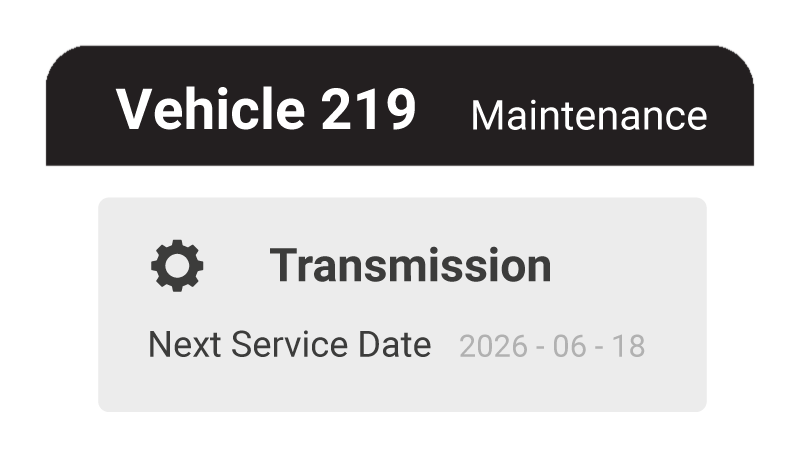
Digital job creation
Log and assign repair tasks with structured workflows
Real-time job tracking
Monitor repair progress across all active jobs
Centralized workflow visibility
Manage all repair activities in one system
Structured item categorization
Organize parts and services into cost-defined groups
Parts-to-job linkage
Track component usage for every repair task
Job-level cost tracking
Monitor total repair spend across labor and materials
Supplier management
Maintain and control approved workshop and vendor lists
Repair status tracking
Monitor job progress from submission to completion
End-to-end job visibility
Track every repair across internal and outsourced workflows
Frequently asked questions
What is a workshop management system, and how is it different from manual tracking?
A workshop management system structures and controls how repairs are executed, tracked, and validated across your fleet.
In SafeConnect, repairs are no longer managed through spreadsheets or fragmented communication. Every job is created, assigned, and completed within a controlled system—where workflows, parts usage, and costs are recorded in a consistent, digital workflows format.
This replaces manual coordination with a structured process—ensuring every repair is traceable, accountable, and operationally controlled.
How does the system ensure repair quality and consistency?
Repair quality is enforced through structured execution, not manual oversight. Each repair follows predefined workflows with checklist-based validation and condition logging. This ensures that inspections are completed properly, issues are documented clearly, and no critical steps are missed.
This creates consistent repair standards across all vehicles—reducing rework and improving vehicle safety.
How does the system control repair costs and prevent overspending?
Cost control is achieved through detailed tracking of every repair activity, part, and service. The system links each job to its associated components and cost categories—giving you full visibility into how repair budgets are spent. This includes tracking labor, parts, and total job cost at a granular level.
With this structure, you can:
- Identify high-cost repairs and recurring issues
- Compare spending across jobs and workshops
- Make data-driven decisions on repair vs replacement
This eliminates hidden costs and improves overall maintenance efficiency.
How does the system manage parts and workshop resources?
The system enforces structured control over parts and service categories to prevent mismanagement and waste. All parts are standardized through item codes and categories, ensuring consistent tracking and usage across repairs.
This allows every component used in a job to be accounted for and linked back to a specific repair.
As a result, you gain better visibility into inventory usage, reduce unnecessary spending, and improve repair efficiency.
How does the system improve coordination with workshops and suppliers?
Our system centralizes all repair activities across internal teams and external workshops—ensuring every job is assigned, tracked, and completed with clear ownership.
Each repair is linked to a supplier, allowing you to monitor vendor performance, compare costs, and maintain accountability across your repair network—reduces delays, improves communication, and ensures consistent service quality across all workshop operations.

Sorry, the comment form is closed at this time.