

20 Apr Vehicle Maintenance System
Proactive Preventive Scheduling
Reduce downtime
with predictive, prioritized
maintenance control
Plan servicing before breakdowns occur. The system uses real-time
mileage and service thresholds to automatically trigger, prioritize,
and track maintenance tasks—ensuring critical issues are addressed first.
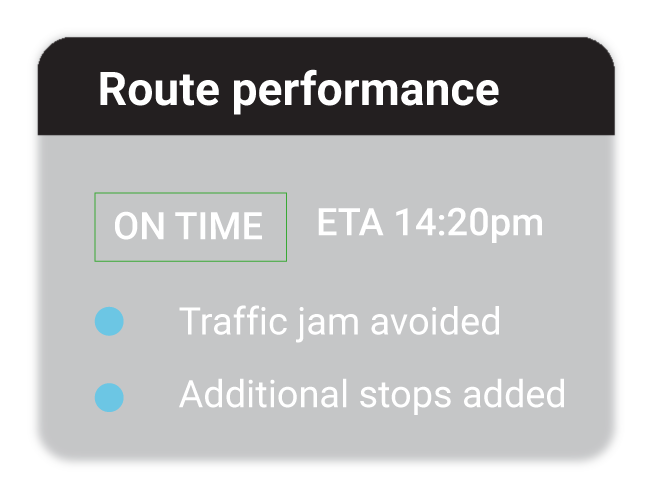
Mileage-based service triggers


Automate maintenance based on actual vehicle usage
Upcoming vs overdue prioritization
Distinguish and prioritize critical tasks for immediate action
Automated maintenance alerts
Track due and missed services in real time
Automated expiry alerts
Notify before road tax, insurance, and permits lapse
Visual status indicators
Highlight urgent renewals with real-time prioritization
Centralized compliance records
Access structured, audit-ready digital documentation
Maintenance Lifecycle Intelligence
Control maintenance cost with full lifecycle visibility and traceability.
Standardize every maintenance activity into a structured, traceable system. Every service, cost, and repair action is recorded, categorized, and linked—giving you a complete, auditable view of asset performance over time.
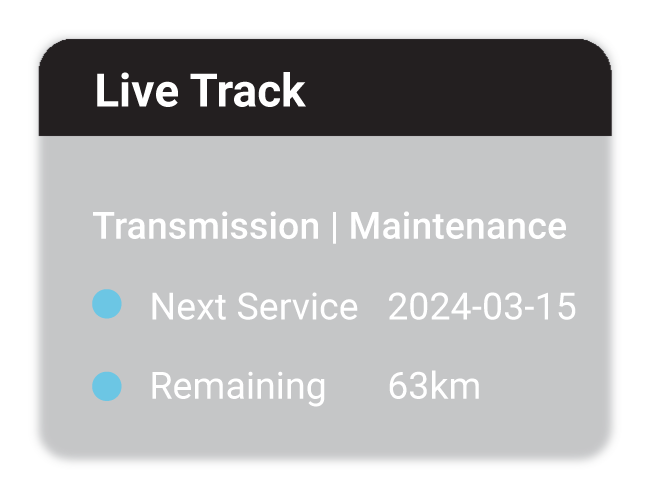
Multi-log service records
Capture detailed service entries for every maintenance activity
Category-level cost tracking
Analyze spending by system and service type
Lifecycle performance insights
Identify high-cost assets and optimize replacement decisions
Frequently asked questions
What is a vehicle maintenance system?
A vehicle maintenance system is a structured platform that manages, tracks, and optimizes all maintenance activities across a fleet—from preventive servicing to repair history and cost control.
In SafeConnect, maintenance is continuously driven by real-time vehicle data and service thresholds. The system automatically triggers maintenance tasks, tracks execution, and records every service activity in a centralized structure.
This ensures maintenance is performed based on actual usage, every service is traceable, and fleet performance remains measurable over time—supporting better uptime, cost control, and asset reliability.
How does a maintenance system reduce downtime and prevent breakdowns?
A maintenance system reduces downtime by shifting operations from reactive repairs to predictive, prioritized servicing. The platform continuously tracks mileage and service intervals to detect when maintenance is due. Tasks are automatically triggered and prioritized—ensuring overdue and critical issues are addressed first.
Key mechanisms include:
- Real-time mileage-based service triggering
- Upcoming vs overdue prioritization
- Automated alerts for missed or due maintenance
By intervening early, fleets avoid unplanned breakdowns and maintain consistent vehicle availability.
How does the system control and reduce maintenance costs?
Cost control is achieved through structured visibility across every maintenance activity, service record, and expense category.
The system links each maintenance action to its associated cost, vehicle component, and service type—allowing operators to identify cost drivers and inefficiencies at a granular level. This includes tracking spend across different systems, identifying high-maintenance vehicles, and evaluating repair frequency over time.
With this level of visibility, organizations can optimize servicing strategies, reduce unnecessary expenses, and extend asset lifecycle value.
How does the system ensure compliance and audit readiness?
Compliance is maintained through continuous monitoring of regulatory documents and structured record management. The system tracks expiry dates for critical documents such as road tax, insurance, and permits, while storing all maintenance and compliance records in a centralized, audit-ready format.
In SafeConnect, this includes automated alerts before expiry, real-time status visibility, and structured digital documentation—ensuring fleets remain compliant without manual tracking or fragmented records.
How is maintenance data tracked and validated across the system?
Maintenance data is captured through structured, multi-layered service records that log every activity across time, mileage, and cost.


Sorry, the comment form is closed at this time.